Debunking popular gambling myths What you really need to know
Understanding the Odds
One of the most pervasive myths in gambling is the belief that the odds can be manipulated or influenced by player behavior. Many gamblers think that by using certain strategies or betting patterns, they can outsmart the house. In reality, most casino games are based on a mathematical foundation where the house always has a slight edge. Understanding the odds and probabilities behind games is crucial for responsible gambling and making informed decisions. If you’re interested in enhancing your experience, you might want to consider signing up for velobet casino, which offers various resources.

For example, in games like roulette, each spin is an independent event. Many players fall into the gambler’s fallacy, believing that previous outcomes can affect future ones. However, each spin has the same probability, and no amount of past results can change that. Being aware of these truths can help gamblers avoid costly mistakes and develop a realistic perspective on their chances of winning.
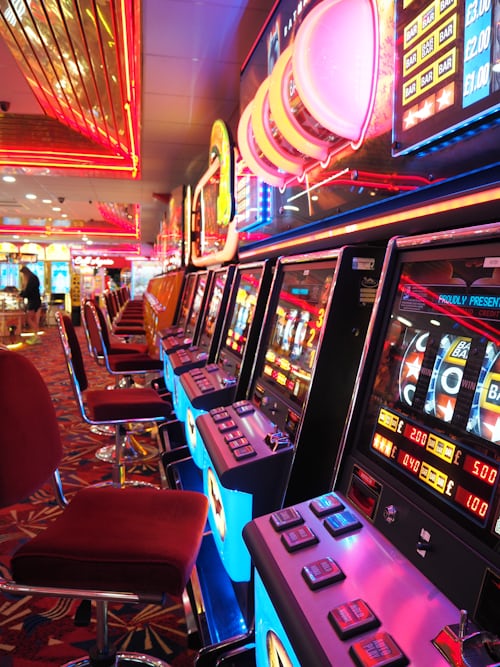
Additionally, it’s vital to consider that different games have different odds. Slot machines generally have lower payout rates compared to table games like blackjack or poker, which offer better odds for the player. By educating oneself about the odds specific to each game, players can make smarter choices and better manage their bankroll, leading to a more responsible gambling experience.
The Illusion of Control
Another common myth is the belief that players can control the outcomes of games through various tactics. Many gamblers convince themselves that they can predict when a slot machine is “due” for a payout or that specific betting patterns will lead to success. This misconception often leads to overconfidence and, subsequently, financial losses. The reality is that most gambling games are based on chance, and no strategy can alter that fundamental truth.
Take poker, for instance. While skill and strategy do play a significant role in the game, outcomes are still significantly influenced by the randomness of the card deck. Even the best players cannot control the cards they are dealt. Understanding that luck is a major factor can encourage players to accept losses as part of the game and reduce the temptation to chase losses by gambling recklessly.
Recognizing the limits of control can lead to more responsible gambling behavior. Players who accept that they cannot predict outcomes or control the game are more likely to set limits, manage their finances wisely, and ultimately enjoy the experience rather than view it solely as a means to win money.
The Gambler’s Fallacy
The gambler’s fallacy refers to the mistaken belief that past events affect future outcomes in gambling. For example, if a roulette wheel has landed on black several times in a row, some players may believe that red is “due” to appear. This belief is not grounded in probability and can lead to misguided betting. Each event in games of chance is independent, meaning past results do not influence future ones.
This fallacy can significantly impact a player’s mindset and decision-making. Players who fall into this trap may increase their bets in hopes of recouping losses or take unnecessary risks based on flawed logic. Understanding this fallacy is crucial for maintaining a clear head and engaging in responsible gambling practices.
Moreover, education plays a key role in combating the gambler’s fallacy. By learning about the true nature of odds and the randomness of games, players can develop a healthier relationship with gambling. Awareness of this psychological bias can empower players to recognize when they’re falling into its trap and to step back before making impulsive decisions.
Chasing Losses
A common myth among gamblers is that they can recover losses by simply betting larger amounts. This practice, known as chasing losses, is detrimental and can lead to significant financial consequences. The belief that increasing bets will lead to a win is often rooted in emotional responses rather than rational decision-making. In reality, the odds remain the same regardless of previous results.
This emotional reaction can create a cycle of poor decision-making. Players who chase losses often find themselves in a deeper financial hole, leading to stress and potential addiction. Responsible gambling requires acknowledging losses and understanding that they are a part of the gaming experience. Accepting losses can help prevent rash decisions and promote a healthier gambling approach.
To combat the tendency to chase losses, players should establish clear budgets and set limits on their gambling activities. Understanding the importance of responsible bankroll management is essential. By sticking to predetermined limits, players can enjoy gambling without the pressure of trying to recover losses and can maintain a more enjoyable gaming experience.
Responsible Gambling and Velobet Casino
At Velobet Casino, promoting responsible gambling is a cornerstone of the gaming experience. The platform emphasizes the importance of understanding the myths surrounding gambling to foster a safe environment for players. By debunking these popular myths, Velobet aims to empower players to make informed decisions and engage in gambling responsibly.
The casino provides a range of resources for players looking to enhance their understanding of gambling. These resources include guides on managing bankrolls, recognizing signs of problematic gambling behavior, and tips on setting limits. By prioritizing education and support, Velobet strives to create a gaming atmosphere where enjoyment and responsibility go hand in hand.
Ultimately, the key to a positive gambling experience lies in understanding the nature of games, recognizing the myths that can lead to poor decision-making, and taking advantage of the responsible gambling resources available. At Velobet Casino, players are encouraged to enjoy gaming as a form of entertainment, always keeping in mind the importance of playing responsibly.